
How To Protect Your Dog’s Paws From Cold Weather
Are your dogs lifting their paws off the ground, hopping, refusing to walk, or speeding up in cold weather? It’s likely they’re trying to tell you their paws are uncomfortable.
Although dogs have some natural adaptations that help their paws tolerate lower temperatures, they can still feel the cold—even breeds often considered winter dogs, such as Alaskan Malamutes, Huskies, and Bernese Mountain Dogs. Selective breeding over the centuries has altered many dogs’ resistance to cold.
How Do Dog Paws Naturally Resist the Cold?
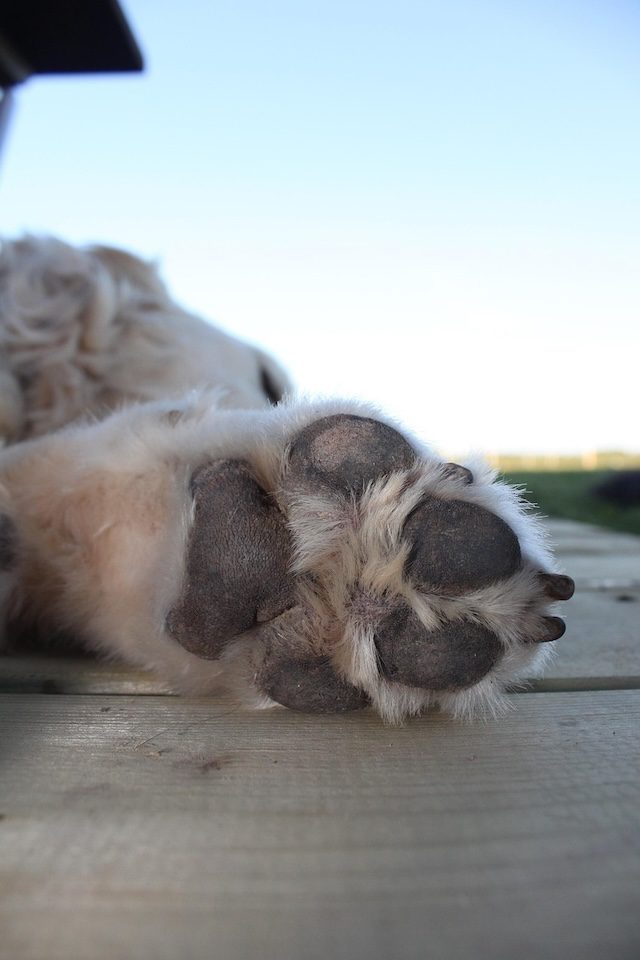
Dog paws are physiologically adapted to help withstand cold temperatures. A scientist in Japan studied the structure of dogs’ paws and discovered that they have what is essentially an internal heating system.
“Dogs exchange heat at the end of their legs. Arterial blood flows to the end of their legs and then heats up venous blood before returning it to the heart,” said Hiroyoshi Ninomiya, who published his findings in the journal Veterinary Dermatology. “In other words, they have a heat exchange system in their feet.”
After observing paw pads under an electron microscope, Ninomiya found that because arteries and veins are located so close together, heat from the arterial blood is easily transferred to the cooler venous blood. This process helps maintain a more consistent temperature in the foot pad, even when dogs are exposed to very cold conditions.
However, Ninomiya cautioned that not all modern dog breeds retain strong cold resistance due to selective breeding. “Dogs evolved from wolves, and so they still have some of that ancestry remaining,” he said. “But that doesn’t mean that one should always go and drag a dog around in the snow all the time.”
In addition to this heat-exchange system, dogs’ paw pads are made of thick, calloused skin that covers layers of fat (adipose tissue) and connective tissue (collagen and elastic fibers), which also help protect against the cold.
How to Identify the Signs Your Dog’s Paws Are Cold
Dogs often show clear behavioral signs when their paws are too cold. These may include:
- Lifting their paws or refusing to stand on the ground
- Hopping while walking
- Lying down with their feet curled underneath them
- Wanting to be picked up or jumping up on their owner
- Shivering
- Refusing to walk
- Walking more quickly or seeking out warmer surfaces
If a dog’s paws become severely cold, they may begin to show additional signs of discomfort, such as whining, tucking their tail, or licking their paws. Toes and paw pads affected by freezing temperatures may appear gray or bluish and can feel hard to the touch.
Note: Dogs can get frostbite just like people.
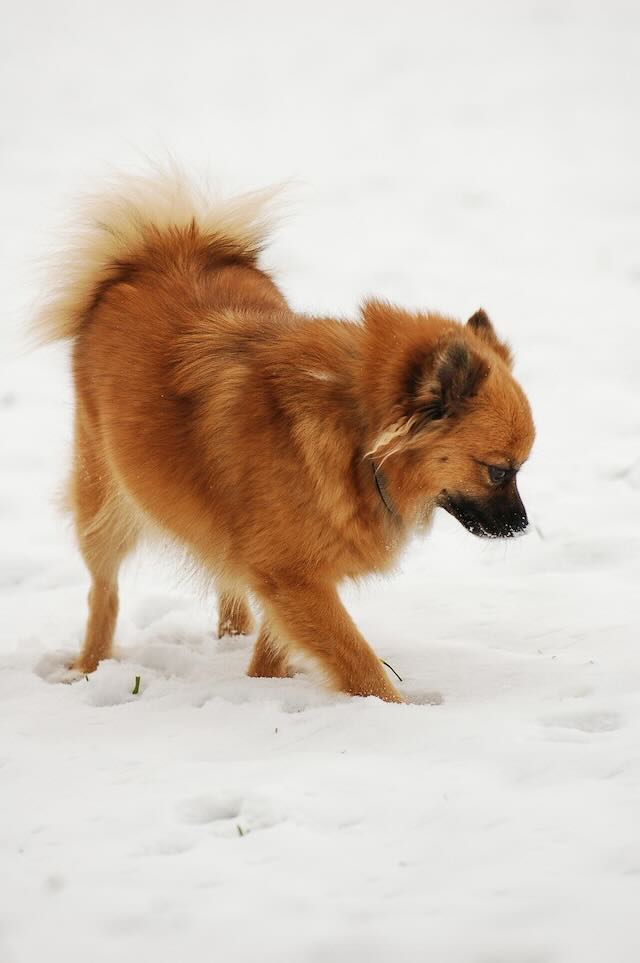
How to Protect Your Dog’s Paws from the Cold
Paw Wax / Paw Balm
Paw wax acts like a protective salve for your dog’s paws. Much like ski wax repels snow, paw wax helps prevent snow, ice, moisture, salt, and chemicals from sticking to your dog’s feet. It also helps keep paw pads from cracking, similar to how lip balm protects dry lips.
Before walks, coat your dog’s paws with paw wax to create a barrier that prevents snow, ice, and salt from getting between their toes.
Choose a paw wax specifically made for dogs, as many dogs will lick their paws. It’s also helpful to keep a towel by your door or in your car to wipe the wax off before your dog comes back inside.
Suggested products: Musher’s Secret Dog Paw Wax or Rhino Wax Snow Paw Wax
Clip or Shave the Hair Between Your Dog’s Toes
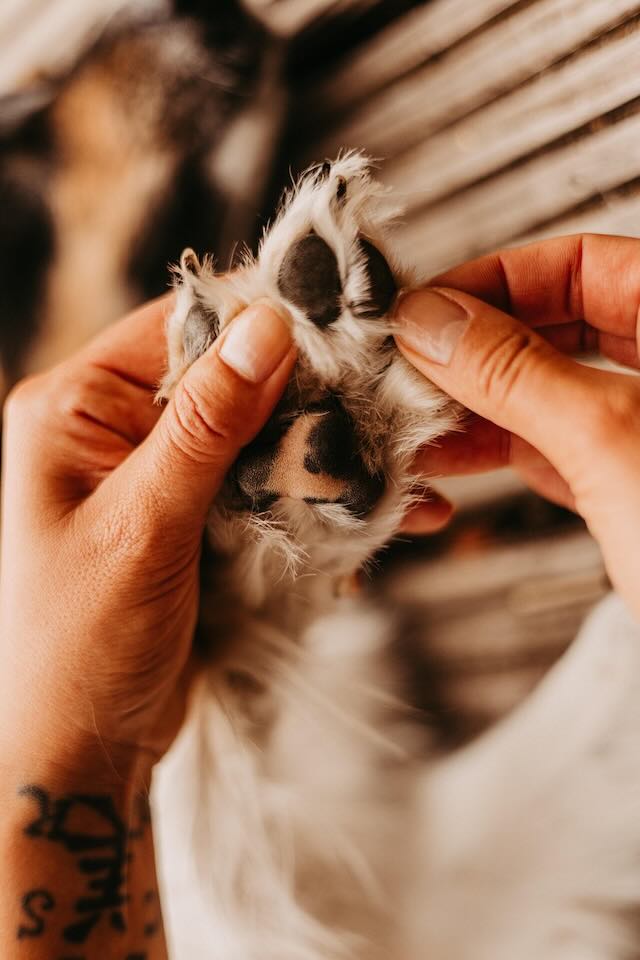
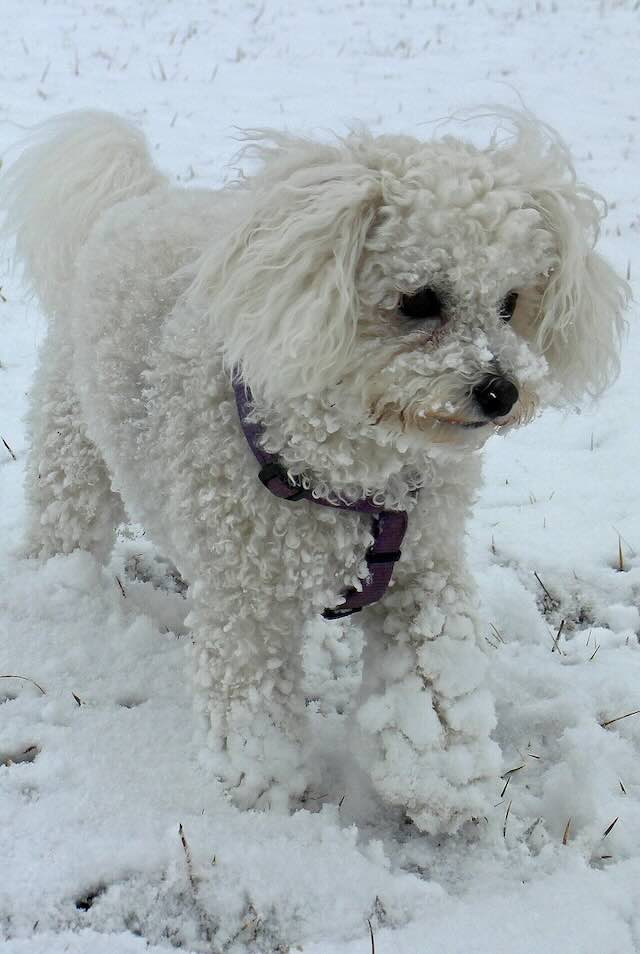
Clipping the hair between your dog’s toes can help prevent snow and ice from accumulating and forming painful snowballs. You can use baby clippers, a grooming kit, or ask your groomer to trim the paw pad hair short.
This step is especially useful for dogs that struggle with snow buildup between their toes and may not be necessary for every dog.
Get Your Dog Booties
Dog booties are one of the safest and simplest ways to protect your dog’s paws in winter. They help keep feet dry and warm while also shielding paws from harsh salt and de-icing chemicals.
Look for booties that fit well and are snug so they don’t fall off in the snow. Keep in mind dog that dog boots will come with varying degrees of insulation and water resistance. Some will have no linings where others will have warm fleece linings. Some will be “water resistant” (likely from a layer of water wicking spray) to being made of waterproof materials.
There are several types of dog booties available, including:
- Pull-on booties with Velcro or pullstring straps (suggested product: YAODHAOD Dog Shoes
- Shoes/Boots with rubber soles – note these models will offer stronger protection and insulation over the pull-on types (suggested products: QUMY Dog Shoes, Hcpet Waterproof Dog Shoes
- Combination styles that offer both flexibility and traction
To help your dog adjust, start by having them wear the boots indoors or in the yard. Reward them with treats as they walk around so they begin to associate wearing boots with positive experiences.
Tips for Grooming Your Dog in the Winter
Dogs should be groomed year-round, even during winter. Cold weather is not a reason to skip grooming, and dogs do not need unkempt coats to stay warm. Regular grooming helps maintain a healthy coat, which provides insulation in both warm and cold conditions.
Winter grooming should include:
- Bathing to keep skin healthy
- Full brushing to maintain optimal insulation (R-value)
- Nail trimming (often needed more frequently in winter)
- Trimming hair under the paw pads to prevent snow buildup
If you have questions, ask your groomer how they can help prepare your dog for winter and offer tips for managing seasonal changes.
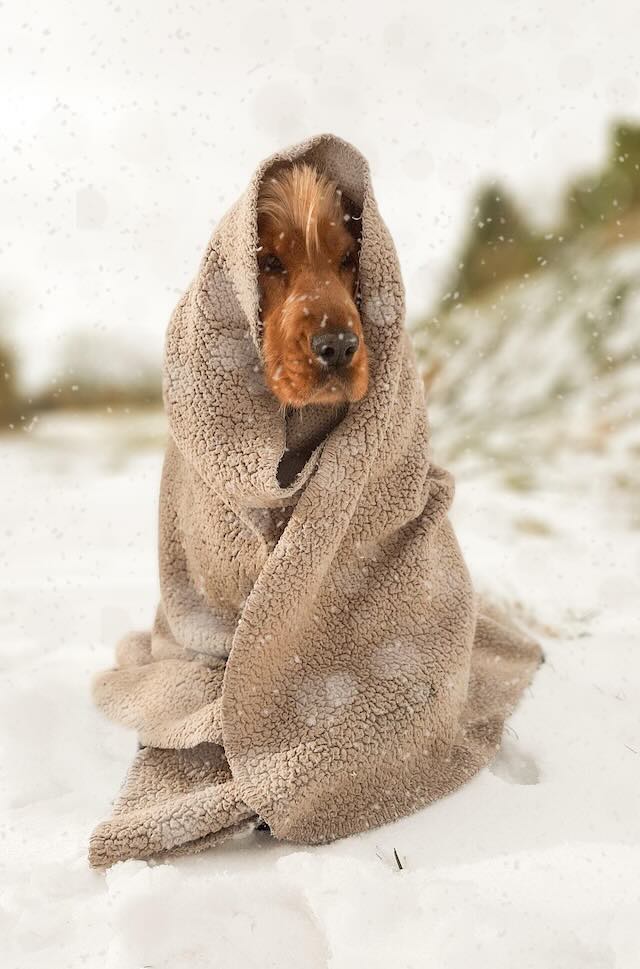
Winter can be tough on your dog’s paws, but with a little preparation and awareness, you can keep them comfortable, healthy, and protected all season long. Paying attention to your dog’s behavior, using protective tools like paw wax or booties, and maintaining regular grooming can make winter walks safer and more enjoyable for both of you. When in doubt, follow your dog’s lead—if their paws are telling them it’s too cold, it’s time to head inside.